


Scroll


Sampling
Sampling
sampling
Trust Begins with Accurate Sampling
In PGM recycling, where even the slightest variation can affect material valuation, sampling accuracy is essential. NIPPON PGM utilizes multiple sampling lines tailored to the characteristics of each material to obtain representative, unbiased samples. Backed by decades of expertise, we provide evaluations that are transparent, accurate and reliable.
Sampling for Accurate Evaluation
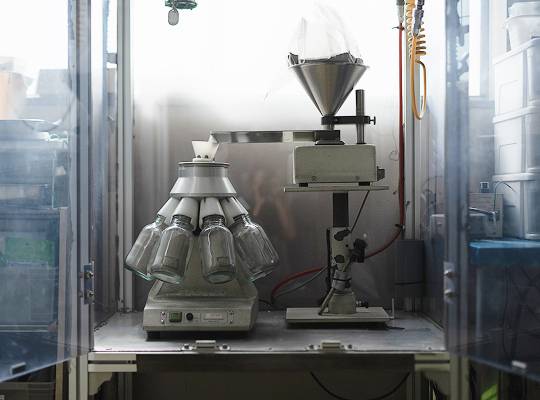
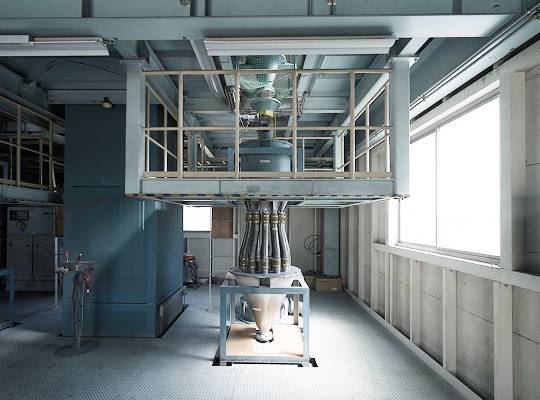
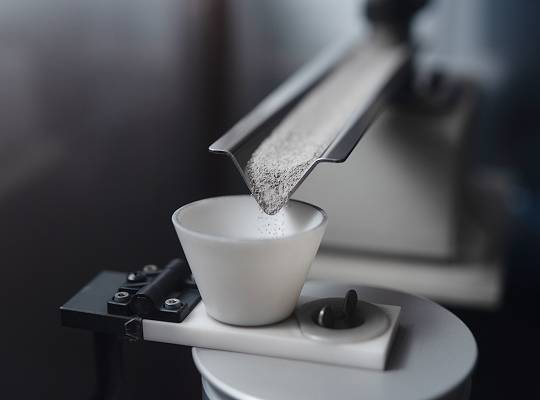
The objective of sampling is to obtain highly representative samples that accurately reflect the characteristics of the entire lot. Consistent and representative samples form the foundation of fair and reliable evaluation.

Scroll
Assaying
Assaying
assaying
Analysis Backed by Extensive Expertise
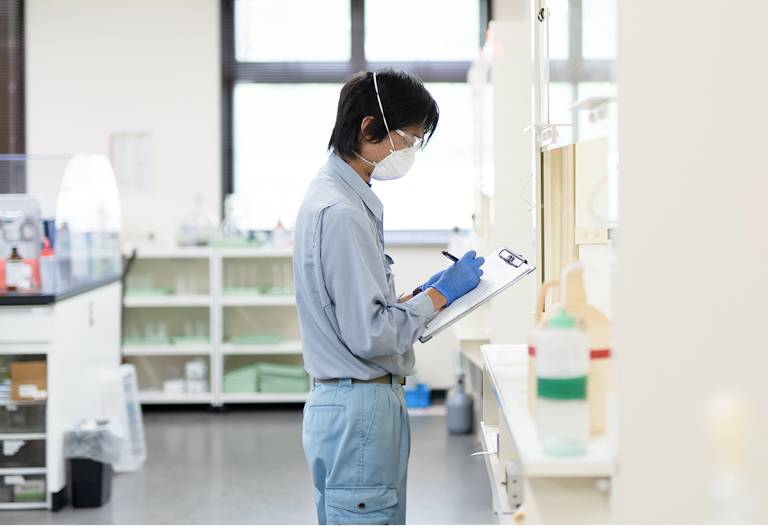
The analysis supporting NIPPON PGM’s material valuation is performed by DOWA TECHNO RESEARCH CO., LTD., a specialist analytical laboratory with extensive experience in materials analysis. Drawing on its expertise in PGM, environmental, and metallurgical analysis, DOWA TECHNO RESEARCH evaluates a wide range of materials and provides accurate, reliable, and objective analytical data.
High-Precision ICP Analysis
Complex materials require precise analysis. By combining ICP (Inductively Coupled Plasma) analysis with other advanced analytical techniques, DOWA Techno Research accurately determines the composition and precious metal content of a wide variety of materials. Backed by advanced analytical capabilities and extensive expertise, it delivers reliable and reproducible data that supports fair and transparent material evaluation.

ISO 9001-Certified Quality Management
Sampling is a critical step in determining the value of catalyst materials. NIPPON PGM provides fair and accurate evaluations through sampling methods tailored to material characteristics and high-precision analytical techniques centered on ICP analysis. All processes are managed under an ISO 9001-certified quality management system, ensuring transparent and reliable services.

About Smelting Technology
About Smelting Technology
smelting
Discover how our proprietary smelting technology efficiently recovers platinum group metals and returns them to the circular economy.

Glossary
-
Crushing process
The process of finely crushing materials such as spent automotive catalysts into a uniform state. At a microscopic level, the inorganic catalyst substrate materials such as ceramics and the platinum group metals such as platinum, palladium and rhodium exist in different locations. Making the material uniform through crushing makes it easier to take a sample that represents the whole, leading to more accurate analysis and appropriate evaluation.
-
Sampling
Sampling is the process of collecting representative samples for analysis in order to accurately evaluate an entire lot of material. Although spent automotive catalysts contain platinum, palladium, rhodium, and other PGMs, the metal content varies depending on the material type and condition. Through crushing, mixing, and sample reduction, representative samples are collected and analyzed to determine the material's value accurately.
-
XRF analysis
XRF (X-ray Fluorescence) analysis is a technique used to identify the elements contained in a material. When X-rays are directed at a sample, fluorescent X-rays are emitted. By measuring their energy and intensity, the types and approximate concentrations of elements can be determined. Because it is fast and non-destructive, XRF is commonly used for material identification and preliminary analysis.
-
ICP analysis
ICP (inductively coupled plasma) analysis is a technique in which a dissolved sample solution is introduced into a high-temperature plasma and analyzed based on its emitted spectrum. Because it can accurately measure even trace amounts of metals, ICP analysis is widely used to determine precious metal content.
-
ISO 9001
ISO 9001 is an internationally recognized standard for quality management systems. It provides a framework that helps organizations consistently deliver products and services that meet customer and regulatory requirements.
FAQ
-
What is sampling?
Sampling is the process of collecting a representative sample from an entire lot of material. Because the precious metal content of spent catalysts varies from unit to unit, sampling is an essential step for accurately determining the amounts of platinum, palladium, and rhodium. The sampled material is then analyzed, and the resulting data forms the basis for material valuation and settlement.
-
Is sampling required even for the same type of catalyst?
Yes. Even catalysts with the same code or appearance may contain different amounts of precious metals depending on factors such as vehicle model, production year, operating conditions, and degree of wear. Sampling helps determine the actual value of the material rather than relying solely on visual inspection or part numbers.
-
Can I observe the sampling process?
In some cases, customers considering a new business relationship or existing customers may be invited to tour NIPPON PGM's facilities and processes. If you are interested in arranging a visit, please contact DOWA Metals & Mining Co., Ltd. or TANAKA PRECIOUS METAL TECHNOLOGIES Co., Ltd., which handle the purchase and collection of materials processed by NIPPON PGM.
-
Where are samples analyzed after sampling?
Samples are analyzed by DOWA TECHNO RESEARCH CO., LTD., a specialist analytical laboratory with extensive experience in materials analysis. Using automated analytical equipment and extensive technical expertise, DOWA Techno-Research performs precise analyses of PGMs under strict quality control procedures. Its proximity to NIPPON PGM allows samples to move quickly from sampling to analysis, supporting both reliable results and timely evaluations.
-
What is the difference between XRF analysis and ICP analysis?
XRF (X-ray Fluorescence) analysis uses X-rays to identify the elements contained in a material. When X-rays are directed at a sample, fluorescent X-rays are emitted. By measuring their energy and intensity, the types and approximate concentrations of elements can be determined. Because the measurement is fast and non-destructive, XRF is commonly used for material identification and preliminary analysis. ICP (Inductively Coupled Plasma) analysis involves dissolving a sample into a solution and introducing it into a high-temperature plasma. The emitted light spectrum is analyzed to determine the types and quantities of metal elements present. ICP analysis offers high precision and is widely used for determining precious metal content.